"Managing Smartly. Building Safely. Serving Government. Growing Communities."
"Managing Smartly. Building Safely. Serving Government. Growing Communities."
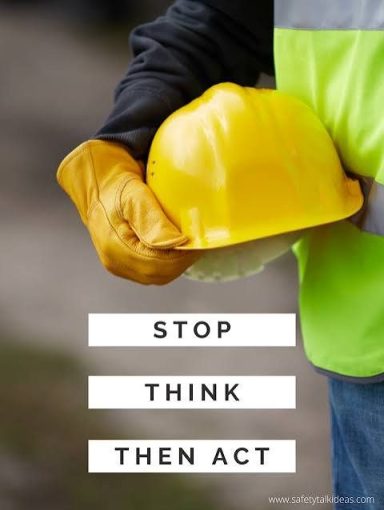
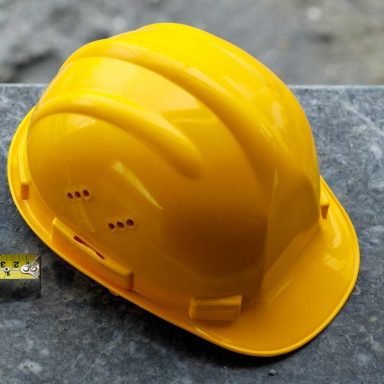
Head Protection (Hard Hats & Helmets)
Protects against falling objects, impacts, and head injuries on active construction sites.
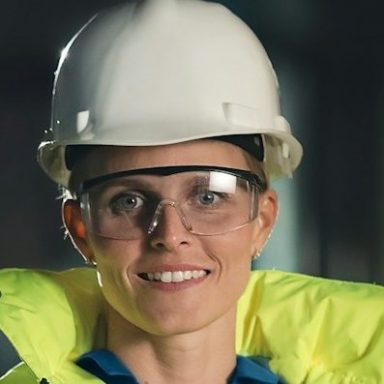
Eye & Face Protection (Safety Glasses, Goggles, Face Shields)
Shields eyes and face from dust, debris, sparks, chemicals, and flying particles.
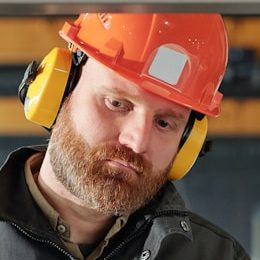
Hearing Protection (Earplugs & Earmuffs)
Reduces exposure to loud noise that can cause temporary or permanent hearing loss.
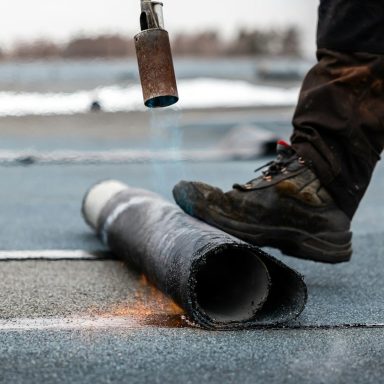
Heat Protection
Helps prevent heat stress and heat-related illness through cooling garments, breathable clothing, and sun protection.
Personal Protective Equipment (PPE) plays a critical role in keeping construction workers safe on the job. With constant exposure to heavy machinery, hazardous materials, heights, and unpredictable site conditions, construction remains one of the highest-risk industries worldwide. PPE is not just a regulatory requirement—it is a frontline defense against injury, lost productivity, and long-term health issues.
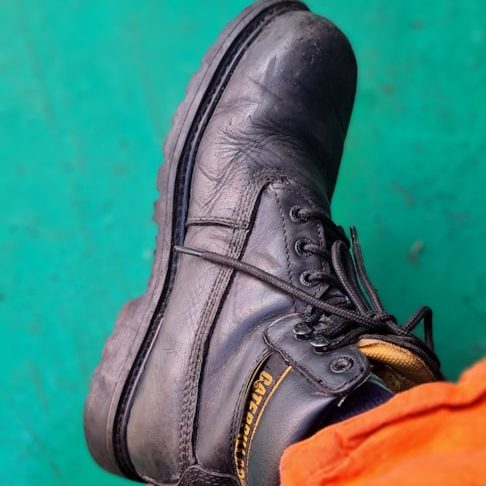
Foot Protection (Safety Boots & Shoes)
Guards feet against crushing injuries, punctures, slips, and electrical hazards.
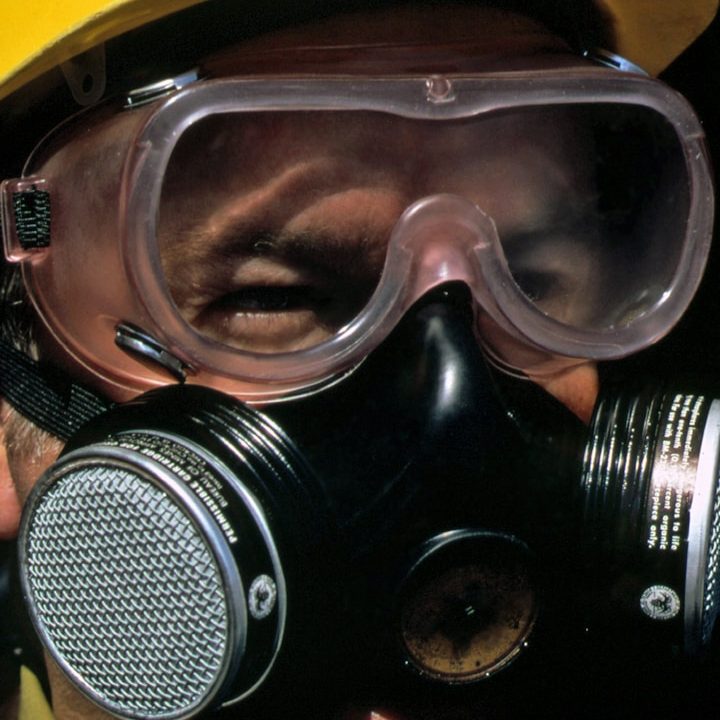
Respiratory Protection (Masks & Respirators)
Prevents inhalation of harmful dust, fumes, vapors, and airborne contaminants.
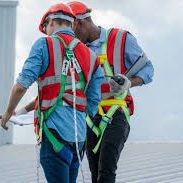
Fall Protection (Harnesses, Lanyards, Guardrails)
Prevents serious injury or death when working at heights by stopping or limiting falls.
PPE refers to specialized equipment and clothing designed to protect workers from specific hazards. In construction, this commonly includes hard hats, safety boots, high-visibility clothing, gloves, eye and face protection, hearing protection, and respiratory equipment. Each item is designed to reduce the risk of injury from impact, falls, sharp objects, dust, noise, chemicals, and other site-specific dangers.
Reducing Injuries Saves Lives
Construction sites are dynamic environments where risks can change daily. PPE helps minimize the severity of accidents when hazards can’t be completely eliminated. For example, hard hats protect against falling objects, steel-toe boots reduce foot injuries, and eye protection prevents permanent vision damage. When worn correctly and consistently, PPE significantly lowers the likelihood of serious injuries and fatalities.
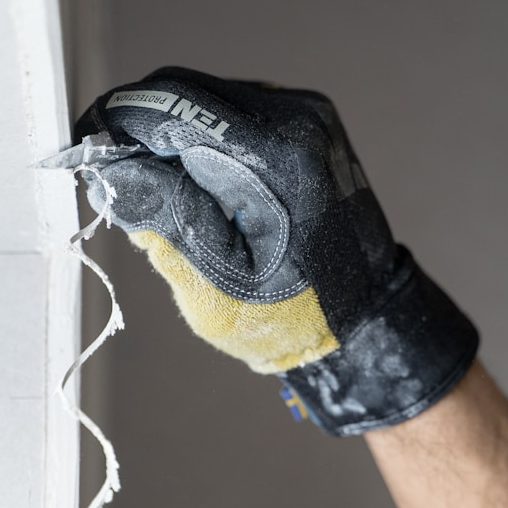
Hand Protection (Safety Gloves)
Protects hands from cuts, abrasions, burns, chemicals, and vibration-related injuries.
A Smart Investment in Safety
PPE is a cost-effective investment that protects people, projects, and profits. In an industry where risks are unavoidable, the right protective equipment helps ensure everyone goes home safely at the end of the day.
Safety starts with preparation—and PPE is a key part of building safer construction sites.
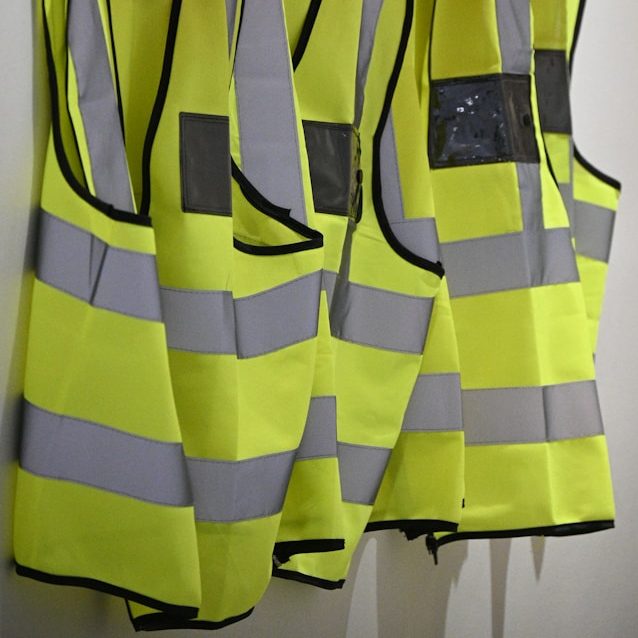
Reflective Vests
Enhance visibility during day and night work, especially in traffic or high-risk areas.
Supporting Legal Compliance and Standards
Most construction safety regulations require employers to provide appropriate PPE and ensure it is used properly. Compliance isn’t just about avoiding fines—it’s about creating a culture where safety is taken seriously. Proper PPE use demonstrates due diligence, protects companies from legal exposure, and helps meet occupational health and safety standards.
Improving Productivity and Morale
Safe workers are productive workers. When employees feel protected, they can focus on their tasks without unnecessary fear or distraction. PPE also reduces downtime caused by accidents, injuries, and investigations. Over time, a strong safety culture boosts morale, improves retention, and enhances a company’s reputation with clients and contractors alike.
PPE Is Only Effective When Used Correctly
Providing PPE is only the first step. Training workers on proper fit, use, maintenance, and limitations is just as important. Damaged or poorly fitting equipment can be as dangerous as having none at all. Regular inspections and updates ensure PPE remains effective as site conditions evolve.
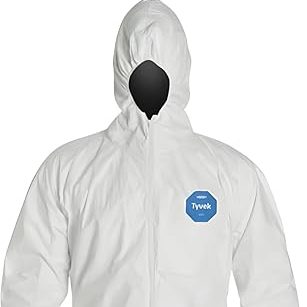
Body Protection (Coveralls & Protective Clothing)
Protects skin from hazardous materials, sparks, and extreme environments.
In the construction industry, having effective Construction Management (CM) is crucial for the success of any project. At ProLogic Enterprises Inc., we recognize the vital role a Construction Manager plays in navigating the complexities of construction projects. A dedicated Construction Manager serves as the owner’s representative, overseeing everything from project planning to execution, ensuring that projects are completed on time, within budget, and to the necessary quality standards. Understanding the distinction between Construction Management (CM) and Construction Manager at Risk (CMAR) is essential. Both involve the management of construction projects, but while CM focuses on providing advice and support throughout the project lifecycle without financial liability for construction costs, CMAR involves taking on the financial risk of delivering the project, ensuring that the final construction cost does not exceed a specified maximum. The duties of a Construction Manager are extensive and include project scheduling, resource allocation, collaboration with subcontractors, adherence to regulations, and quality control. They act as a crucial link between the owner, architects, contractors, and other stakeholders, facilitating communication and fostering teamwork to achieve the project goals. Typically, an Owner and CM contract outlines the responsibilities of both parties. This contract will include the CM's duties, payment terms, timelines, project scope, and methods for conflict resolution. Clear and concise contracts set the foundation for a successful partnership, minimizing misunderstandings and ensuring all parties are aligned on project expectations. The benefits of engaging a Construction Manager are significant, including enhanced project efficiency, better budget management, improved risk mitigation, and ultimately, higher quality outcomes. With the right CM in place, owners can focus on their core objectives while their Construction Manager takes charge of the project’s operational aspects. To inquire more about how ProLogic Enterprises Inc. can assist you with effective construction management, reach out directly through our contact page.
We need your consent to load the translations
We use a third-party service to translate the website content that may collect data about your activity. Please review the details in the privacy policy and accept the service to view the translations.